How Many Cross References Are in the Bible? What That Number Really Means for Your Study
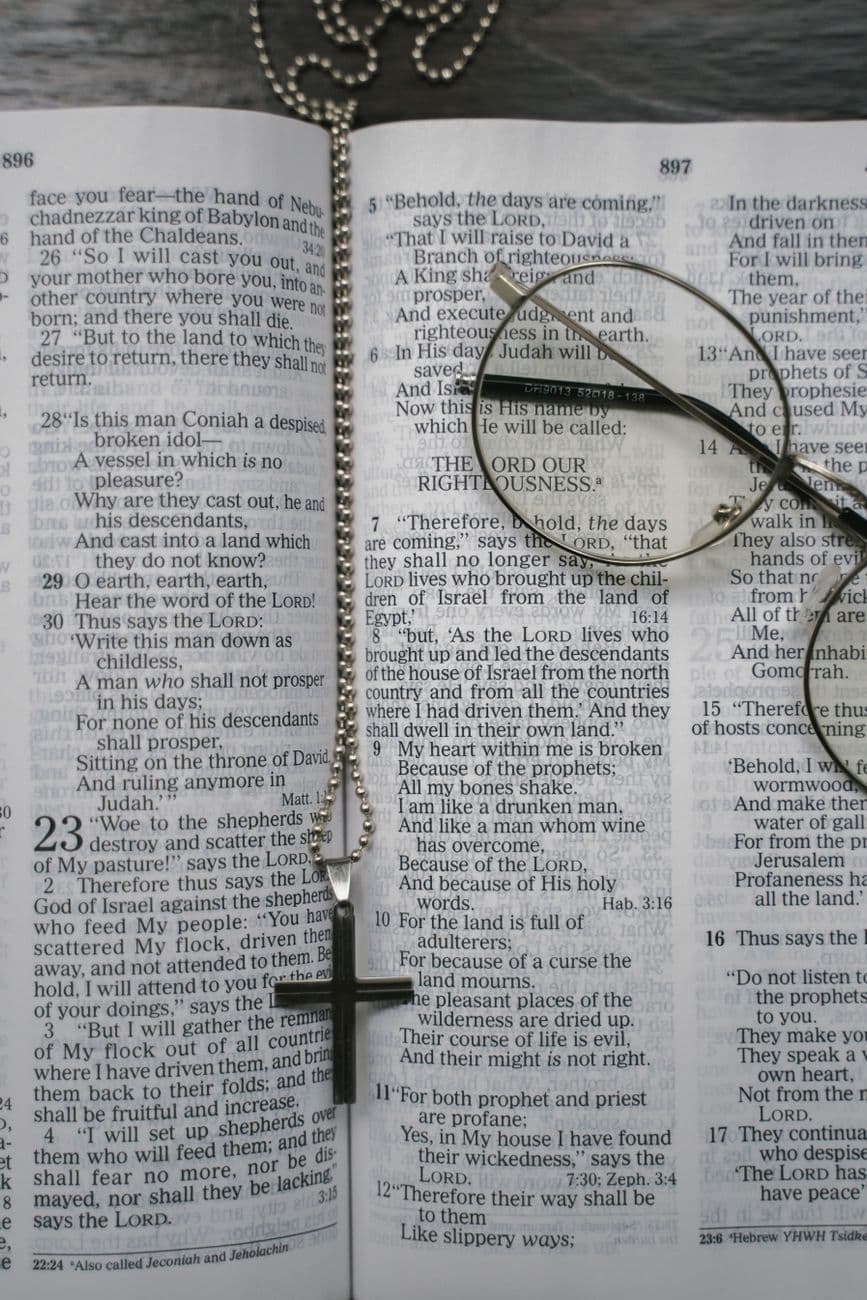
The Number That Changes How You Read Scripture
If you've ever asked how many cross references are in the Bible, the short answer is: more than most people expect. Depending on the system, the count ranges from around 65,000 to over 340,000 links between verses. That gap alone tells you something important — cross references aren't a fixed feature of the text. They're an editorial layer, built by scholars, that shapes how you move through Scripture. Understanding that distinction is the first step toward using them well.
This article breaks down where those numbers come from, why they vary so wildly, and — more practically — how that massive web of connections can transform your scripture analysis and deepen your understanding of biblical context. Whether you study with a printed Bible or a digital tool, the cross-reference network is one of the most underused resources available to serious readers.

What Cross References Actually Are (and What They Are Not)
A cross reference is simply a pointer from one Bible verse to another that shares a theme, a word, a prophecy, or a narrative thread. You'll typically see them printed as a small letter or number beside a verse, leading to a margin list of related passages. They are not part of the original manuscripts — no Hebrew scribe or Greek apostle inserted them. They are a study tool, added by editors over centuries to help readers trace ideas across the canon.
That distinction matters because it shapes how you should use them. Cross references reflect an editor's judgment about what connects. A reference from Isaiah 53 to Matthew 27 reflects a theological argument — that Isaiah's Suffering Servant predicts Jesus' crucifixion. Another editor might draw a slightly different set of links. Neither is objectively "correct." Both are interpretive choices.
The most common types of cross references include:
- Verbal parallels — verses that share identical or near-identical wording (e.g., Psalm 22:1 and Matthew 27:46)
- Thematic links — passages unified by a concept like covenant, redemption, or faith
- Typological connections — Old Testament events or figures that foreshadow New Testament fulfillment
- Historical parallels — the same event recorded in multiple books (e.g., Kings and Chronicles)
- Doctrinal clusters — verses grouped around a theological teaching, like justification by faith
Knowing the type of reference you're following prevents a common mistake: treating every cross reference as equally strong evidence for a point. A verbal parallel is tight. A thematic link is looser. Conflating them leads to sloppy interpretation.
For a deeper look at the basics, see What Are Bible Cross References and How Do They Actually Help You Study Scripture.
How Many Cross References Are in the Bible? Breaking Down the Numbers
The figure you'll see most often — 65,000 — comes from the cross-reference system used in many printed study Bibles, including the classic Treasury of Scripture Knowledge tradition. But that number is not the ceiling. It's closer to the floor.
Here's a realistic breakdown of the major systems:
- Treasury of Scripture Knowledge (TSK): Roughly 65,000 cross references. Originally compiled in the early 19th century by R.A. Torrey and others, this is the foundation for many modern study Bibles. It focuses heavily on verbal and thematic links and remains the most widely cited count.
- The Nave's Topical Bible: Over 20,000 topics with supporting verses — not strictly a cross-reference system, but it functions as one by grouping passages thematically. When you count the verse pairings implied, it adds tens of thousands of additional connections.
- The OpenBible.info Cross-Reference Dataset: This open-source project, compiled by OpenBible.info, lists over 340,000 cross-reference pairs, each scored by confidence. It draws from multiple existing systems and flags strength — so a high-confidence link between Genesis 1:1 and John 1:1 is weighted differently than a speculative thematic tie.
- Individual Study Bible systems: The ESV Study Bible includes roughly 80,000 cross references. The NIV Study Bible has a similar range. Each reflects its editorial team's theological priorities.

So which number is "right"? None of them, exclusively. Each system answers a slightly different question. The TSK asks: what verses use similar language or address the same idea? The OpenBible dataset asks: what connections have scholars and editors historically made, and how confident are we in each? A good study practice uses multiple systems rather than treating any single count as authoritative.
One concrete implication: if you're studying a verse and find only two or three cross references in your printed Bible's margin, you may be seeing a fraction of what's available. Digital tools can surface dozens more — and show you which ones are most widely agreed upon.
Why the Scale of the Cross-Reference Network Matters for Bible Study
Sixty-five thousand connections across 31,102 verses means that, on average, every verse in the Bible links to roughly two other verses. But the distribution is wildly uneven. Some verses carry hundreds of links. John 3:16, Romans 3:23, and Isaiah 53:5 are among the most heavily cross-referenced passages in the entire canon. Meanwhile, many genealogical or geographic verses in Numbers or Chronicles have very few.
That unevenness is itself a study tool. When a verse carries a dense cluster of cross references, it signals theological weight — editors across centuries independently recognized its importance. When a verse sits in relative isolation, that's worth noting too. It may be historically specific, or it may be under-studied.
The practical payoff of engaging the full network includes:
- Seeing how New Testament authors quote or allude to the Old Testament — often in ways that reframe the original meaning
- Identifying recurring motifs (blood, covenant, temple, exile) that unify the canon across centuries of writing
- Catching apparent contradictions that cross references often resolve by showing fuller context
- Building topical studies without needing a separate concordance
For a step-by-step method for working through these links in a Bible app, this practical guide walks you through the process from a single verse outward.
The Danger of Following Cross References Blindly
Here's a trade-off most articles skip: cross references can mislead you if you follow them without checking context. A verse pulled into a margin reference may share a keyword but address a completely different situation. For example, the word "righteousness" appears in both a Psalm about Israel's national covenant and in Paul's letter about individual justification. Linking them without noting the difference can collapse a meaningful distinction.
The fix is simple but requires discipline. Before you accept a cross reference as confirmation of a point, read at least five verses before and after the referenced passage. Ask: does the surrounding context support the connection, or does it undercut it? This habit alone separates careful Bible study from proof-texting.
Another common mistake is chasing cross references in a chain — following A to B to C to D — until you've drifted far from your starting passage. Set a limit. Work two or three links deep, then return to your anchor verse and consolidate what you've learned before moving further.
How Digital Bible Study Tools Change the Cross-Reference Game
Printed study Bibles are limited by page space. Even the most comprehensive printed edition can only show a fraction of available cross references without becoming unusable. A digital platform removes that constraint entirely.
With a tool like Prism Bible App, cross references become interactive rather than static. Instead of scanning a margin list and manually flipping pages, you can tap a verse, see its linked passages, read them in context, and compare translations — all without losing your place. That workflow makes it practical to actually use the full network, not just acknowledge it exists.

The features that matter most in a digital cross-reference system are:
- Confidence scoring — showing which links are widely agreed upon versus speculative
- Type labeling — distinguishing verbal parallels from thematic or typological links
- Multi-translation display — letting you see how a linked verse reads across the ESV, NIV, NASB, or KJV simultaneously
- Historical and cultural notes — providing the context that makes a cross reference meaningful rather than just mechanical
These features don't just make cross references faster to access. They make them safer to use — because you're less likely to misread a connection when you can immediately check its context in multiple translations. Discover what to look for in a cross-reference Bible app before you commit to one.
Putting the Numbers to Work: A Practical Study Framework
Knowing that 65,000 or 340,000 cross references exist is interesting. Knowing how to work through them systematically is what actually improves your Bible study. Here's a concrete framework:
- Start with your anchor verse. Read it in at least two translations. Note key words, themes, and any interpretive questions you have.
- Filter by type. Look first at verbal parallels — verses that share the same Greek or Hebrew root. These are the tightest connections and the safest starting point.
- Move to thematic links. Once you understand the verbal parallels, broaden to thematic references. Ask: does this new passage reinforce, qualify, or complicate what I've read?
- Check the testament direction. Note whether you're moving from Old to New or New to Old. The direction changes the interpretive question. OT-to-NT links often reveal fulfillment or typology. NT-to-OT links show how apostolic writers read Hebrew Scripture.
- Synthesize, don't just collect. After following three to five links, write one or two sentences summarizing what the cross-reference network adds to your understanding of the anchor verse. This step is where most casual readers stop short — and it's where the real learning happens.
This framework works whether you're doing a five-minute devotional or a two-hour deep study. The depth scales with your time. What doesn't scale well is skipping the synthesis step — collecting verses without integrating them is just spiritual data hoarding.
If you want to explore cross references organized by topic or book rather than by individual verse, this resource on finding cross references by topic, verse, and book is worth bookmarking.
What Scholars Say About the Cross-Reference Network's Design
The scale of biblical cross references isn't accidental. Scholars who study intertextuality — the way texts reference and build on each other — argue that the Bible's authors were deliberately echoing earlier Scripture. Paul's letters are saturated with Old Testament allusions. The Gospel of Matthew opens with a genealogy that consciously mirrors the structure of Genesis. Revelation draws on imagery from Daniel, Ezekiel, and Zechariah in almost every chapter.
This means the cross-reference network isn't just a study aid layered on top of the text. It reflects something embedded in the text itself. Bible Gateway's Scripture Engagement resources note that recognizing these intertextual links was central to how early Christian communities read and taught Scripture — long before printed margins existed.
For modern readers, this has a practical implication: the more fluent you become in the Old Testament, the richer the New Testament becomes. Cross references are one of the most efficient ways to build that fluency, because they surface the specific OT passages that NT authors had in mind.
Is 340,000 Too Many? The Case for Curated Systems
More isn't always better. A dataset of 340,000 cross-reference pairs includes many low-confidence, speculative connections that could distract more than they illuminate — especially for newer Bible readers. The TSK's 65,000, while smaller, has been filtered by centuries of use. The connections that survived that long tend to be the ones that consistently prove meaningful in study and preaching.
The ideal approach is tiered access: start with high-confidence, widely-agreed-upon links, then expand to broader datasets as your familiarity with the text grows. Think of it like learning a city — you start with main roads before you explore back streets. Jumping straight to 340,000 connections without that foundation is likely to produce confusion, not insight.
Get started with a structured reading plan that builds your biblical fluency alongside your cross-reference work — explore personalized reading plans on Prism to find one that fits your pace and goals.
The Bottom Line on Bible Cross References
The answer to "how many cross references are in the Bible" depends entirely on which system you're counting — but the range of 65,000 to 340,000 is real, documented, and significant. That network represents centuries of careful scholarship mapping the Bible's internal conversations with itself.
The number isn't just trivia. It's a signal that Scripture is far more interconnected than any single reading can reveal. Every time you follow a cross reference, you're tracing a thread that scholars, pastors, and ordinary readers have found meaningful enough to preserve. Used carefully — with attention to context, reference type, and interpretive humility — cross references are among the most powerful bible study tools available.
The mistake is treating them as automatic proof or following them passively. The reward comes when you engage them actively, synthesize what you find, and let the full canon speak to a single passage. That's when the number stops being a statistic and starts being a living map of the text.
Ready to explore the cross-reference network for yourself? Get started with Prism Bible App and put the full power of cross-reference study into your daily reading.