The 7 Best Free Bible Reading Plans for Beginners in 2026
Starting the Bible for the first time can feel like standing at the base of a mountain with no trail map. Bible reading plans for beginners solve exactly that problem — they break an intimidating 66-book library into daily, manageable steps. But not all plans are created equal. Some assume you already know your Leviticus from your Lamentations. Others dump four chapters on you before breakfast and leave you with zero context for what you just read. This guide cuts through the noise. We ranked seven of the best free plans available in 2026 by four criteria that actually matter to beginners: daily reading time, Bible coverage, difficulty, and format. Each entry also flags common pitfalls so you can choose the plan that fits your real life — not an idealized version of it.
What Makes a Reading Plan Truly Beginner-Friendly?
Before diving into the list, it helps to define the standard. A beginner-friendly plan does four things well. First, it keeps daily reading under 15 minutes — research from Barna Group's State of the Bible report consistently shows that consistency, not volume, predicts long-term Bible engagement. Second, it provides built-in context: who wrote this book, when, and why. Without that, passages like Job's speeches or Paul's prison letters feel disconnected from reality.
Third, good beginner plans include progress tracking — a visible record that you completed Day 12 of 30 matters psychologically. Skipping it is the single biggest design mistake free plans make. Fourth, the format should match how you actually read: app-based with reminders, printable PDF, or audio. Matching format to habit is non-negotiable. Keep those four criteria in mind as you scan the list below.
1. The Gospel of John in 21 Days
Daily time: 8–10 minutes | Coverage: New Testament (one book) | Difficulty: ★☆☆☆☆
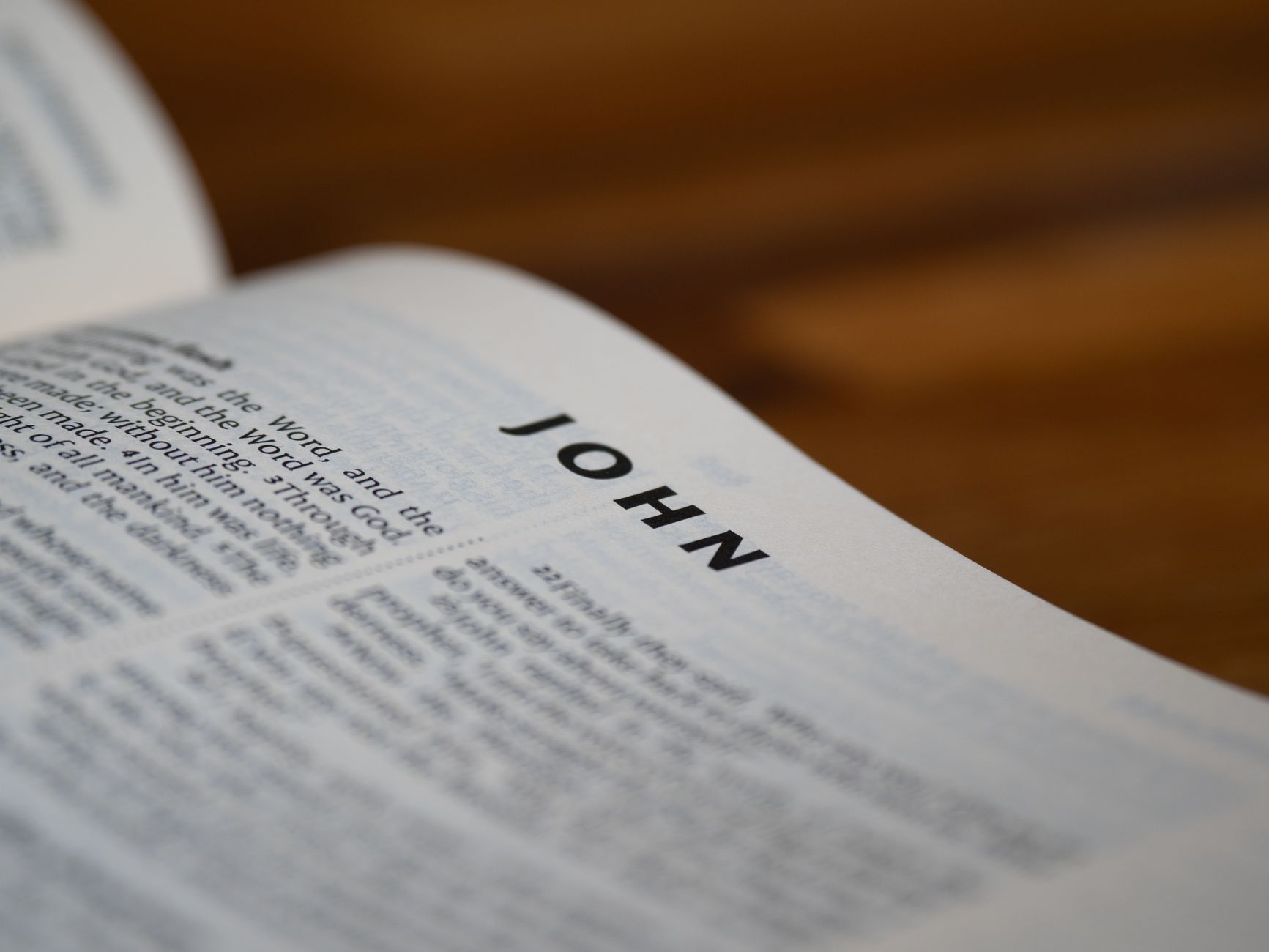
This is the single best entry point for someone who has never read the Bible. John's Gospel was written explicitly so readers would believe (John 20:31), which means it is self-explanatory in a way that Genesis or Romans simply is not. Reading one chapter per day for 21 days keeps sessions short. You finish a complete, coherent narrative — the life of Jesus from a theological angle — rather than a scattered sample of verses.
The trade-off: you only cover one of 66 books. Some beginners feel they need a broader survey. If that's you, jump to Plan 3 instead. But if you've tried and quit before, start here. Completing something small builds the habit muscle that longer plans demand. Explore reading plans on Prism to find a structured John-in-21-Days format with daily reminders and progress tracking built in.
- Best for: Absolute first-timers and lapsed readers returning after years away
- Watch out for: Skipping the chapter introductions — they provide authorship and audience context that changes how you read
- Format tip: Pair with an audio version on days when reading feels hard
2. The Bible Project's Chronological Starter Plan
Daily time: 10–12 minutes | Coverage: Old and New Testament highlights | Difficulty: ★★☆☆☆
The Bible Project offers free reading guides that pair daily Scripture passages with short animated videos. That combination is powerful for beginners because the videos deliver the historical and literary context that most reading plans strip out. You're not just reading Exodus 1–3; you're watching a five-minute explainer on how Exodus fits into the larger biblical narrative first.
The chronological structure also helps. Reading events in historical order — rather than the canonical order of your Bible's table of contents — reduces confusion about why Abraham appears before Moses who appears before David. The main limitation is that the video component adds 5–7 extra minutes per day. On busy days, that's the first thing people skip. Set a rule: read the passage first, watch the video only if you have time. The reading alone still works.
- Best for: Visual learners and people who want the big-picture story before diving into details
- Watch out for: Letting video-watching replace actual Bible reading — the text is the point
- Format tip: Available as a free PDF download or through their app
3. The 90-Day New Testament Plan
Daily time: 12–15 minutes | Coverage: Full New Testament (27 books) | Difficulty: ★★☆☆☆
Reading the entire New Testament in 90 days sounds ambitious, but the math is straightforward: the New Testament has roughly 260 chapters. At three chapters per day, you finish in 87 days. Each session runs about 12–15 minutes at an average reading pace. The payoff is significant — you get a complete picture of Jesus's life (four Gospels), the early church (Acts), Paul's letters, and Revelation, all within a single season.
The difficulty spike comes around Paul's letters. Romans and Hebrews are theologically dense. Beginners often stall there. The fix: don't slow down. Read for the overall argument, not for perfect comprehension. You can always return with a study tool. For that deeper layer, this step-by-step guide on reading the Bible in context walks you through exactly how to use a Bible app to unpack difficult passages without derailing your momentum.
- Best for: Beginners who want full New Testament coverage without committing to a year-long plan
- Watch out for: Treating comprehension as a prerequisite — read forward, look back later
- Format tip: Use a single consistent translation; switching mid-plan disrupts comprehension
4. The Psalms and Proverbs Monthly Plan
Daily time: 5–8 minutes | Coverage: Old Testament wisdom literature | Difficulty: ★☆☆☆☆
Proverbs has 31 chapters. Read one chapter per day and you finish the entire book every month. Pair that with five Psalms per day and you complete the Psalms in a month too. This plan has been used for decades precisely because it requires almost no planning — the structure is built into the chapter count. It is also emotionally accessible. Psalms covers grief, joy, anger, and doubt in language that feels immediately relevant.
The limitation is obvious: this plan covers only two Old Testament books. It says nothing about the Gospels, the prophets, or the historical books. Think of it as a parallel track rather than a standalone plan. Many experienced readers run this alongside a longer plan — five Psalms in the morning, one Gospel chapter at night. For beginners, it works best as a low-pressure entry point that builds a daily reading habit before tackling something more comprehensive.
- Best for: People who want an ultra-short daily commitment while testing whether Bible reading will stick
- Watch out for: Using this as your only plan indefinitely — it's a launchpad, not a destination
- Format tip: Works perfectly in print; no app required, which removes one friction point
5. The One-Year Bible (Chronological Edition)
Daily time: 15–20 minutes | Coverage: Full Bible (Old and New Testament) | Difficulty: ★★★☆☆
This is the gold standard for complete Bible coverage, and it remains the most popular structured plan worldwide. The chronological edition rearranges passages in historical order, so the Psalms David wrote appear alongside the events in Samuel that prompted them. That editorial choice dramatically improves comprehension for beginners who would otherwise wonder why a poem about fleeing enemies appears between two battle narratives.
The honest trade-off: 15–20 minutes per day is a real commitment. Miss three days and you're 45–60 minutes behind. That math discourages many beginners. Two strategies help. First, use a plan with a built-in catch-up day each week — many digital versions include this. Second, don't try to "catch up" by doubling sessions; simply mark missed days and move on. The goal is finishing, not perfection. For a broader look at plan formats that fit real schedules, this comparison of 2026's best reading plan formats is worth reading before you commit.
- Best for: Beginners who are serious about covering the whole Bible and can commit 15+ minutes daily
- Watch out for: The guilt spiral when you miss days — it kills more plans than difficulty does
- Format tip: The physical One Year Bible book (NLT edition) is excellent; so are app-based versions with streak tracking
6. The Prism Bible App Beginner Plans
Daily time: 8–15 minutes (plan-dependent) | Coverage: Varies by plan | Difficulty: ★☆☆☆☆ to ★★☆☆☆
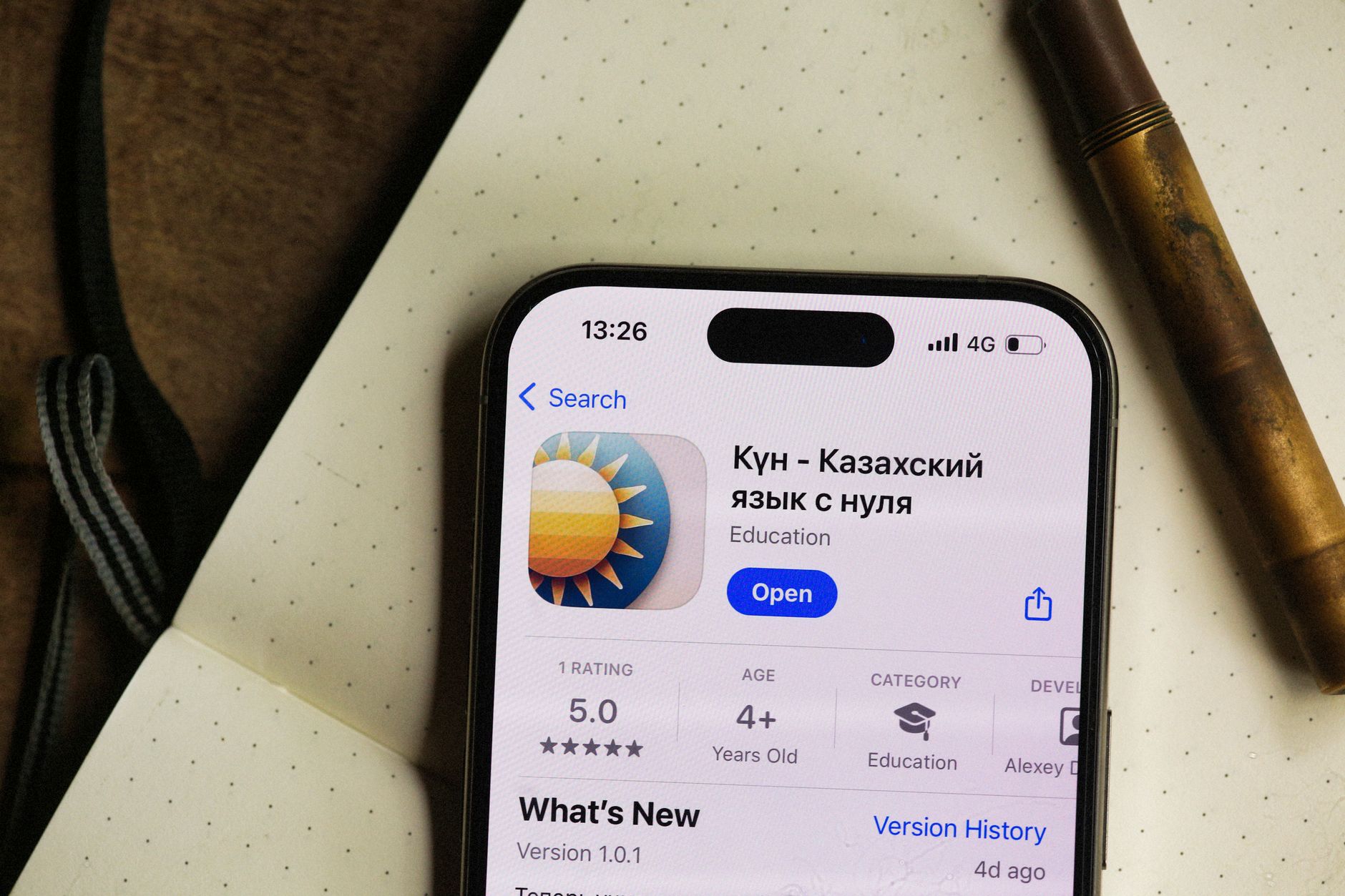
Prism's reading plans stand apart from generic PDF plans because every passage comes with built-in historical and cultural context. When you read a passage, you're not left to guess who the Pharisees were or why Paul was writing from prison. That context layer is embedded — you tap a verse, and the background appears. For beginners, this is the difference between reading words and actually understanding them.
The platform also offers multiple Bible translations side by side, which matters more than most beginners realize. Comparing the ESV's formal accuracy with the NLT's plain-English readability on the same passage teaches you more about a verse than reading one translation ten times. Add cross-references, progress tracking, and daily reminders, and Prism removes every structural excuse for not reading. Get started free on Prism and browse the beginner plan library to find the right fit.
- Best for: Beginners who want context, translations, and tracking in one place — without paying for it
- Watch out for: Over-relying on the context notes at the expense of sitting with the text itself — read first, explore second
- Format tip: Enable daily reminders in settings; Prism's notification system is the single most effective habit-formation feature on the platform
For a deeper look at how Prism's scripture analysis tools work at the verse level, this article on modern verse-by-verse study explains the methodology and why it matters for beginners especially.
7. The Topical Starter Plan: Faith, Hope, and Love
Daily time: 8–10 minutes | Coverage: Cross-Testament thematic passages | Difficulty: ★★☆☆☆
Topical plans organize reading around themes rather than books or chronology. A "Faith, Hope, and Love" starter plan, for instance, pulls passages from Genesis, Psalms, Isaiah, the Gospels, Romans, and 1 Corinthians — giving beginners a cross-section of the whole Bible in 30 days. The variety keeps things fresh. You're never stuck in a single author's style for weeks on end.
The risk with topical plans is fragmentation. Reading five verses from five different books in one sitting can feel like channel-surfing rather than studying. The fix is to read the surrounding chapter — not just the highlighted verses — at least twice a week. That habit prevents the common beginner mistake of collecting "favorite verses" without understanding their original meaning or context. According to Pew Research data on American Bible reading, people who engage with context alongside passages report significantly higher comprehension and continued reading rates.
- Best for: Beginners who get bored quickly or want to sample different parts of the Bible before committing to a book-by-book plan
- Watch out for: Treating highlighted verses as the full message — always read at least the surrounding paragraph
- Format tip: Many topical plans are available free through YouVersion and similar apps; look for versions that include passage introductions
How to Choose the Right Plan for You
The best plan is the one you actually finish. That sounds obvious, but most beginners choose plans based on ambition rather than honest self-assessment. Here's a simple decision framework:
- If you've never read the Bible: Start with the Gospel of John in 21 Days. Finish it. Then decide what's next.
- If you want context built in: Use Prism's beginner plans or the Bible Project's guides. Context is not optional for comprehension.
- If you have only 5 minutes daily: The Psalms and Proverbs plan is your only realistic option — and that's fine.
- If you want full Bible coverage in a year: The One-Year Chronological plan is the most proven path, but be honest about your schedule before starting.
- If you get bored easily: A topical plan keeps variety high; just resist the temptation to hop between plans every two weeks.
One final point: the format matters as much as the content. If you read on your phone anyway, an app-based plan with reminders will outperform a printed PDF every time — not because the content is better, but because friction is lower. Remove every barrier between yourself and the text, and consistency follows naturally.
Ready to find your plan? Browse Prism's full plan library and filter by duration, book, or theme to find a beginner-friendly option that matches your schedule and goals.