Bible Cross Reference Chart: How to Read and Use It for Deeper Study
What Is a Cross References in the Bible Chart — and Why Most Readers Ignore It
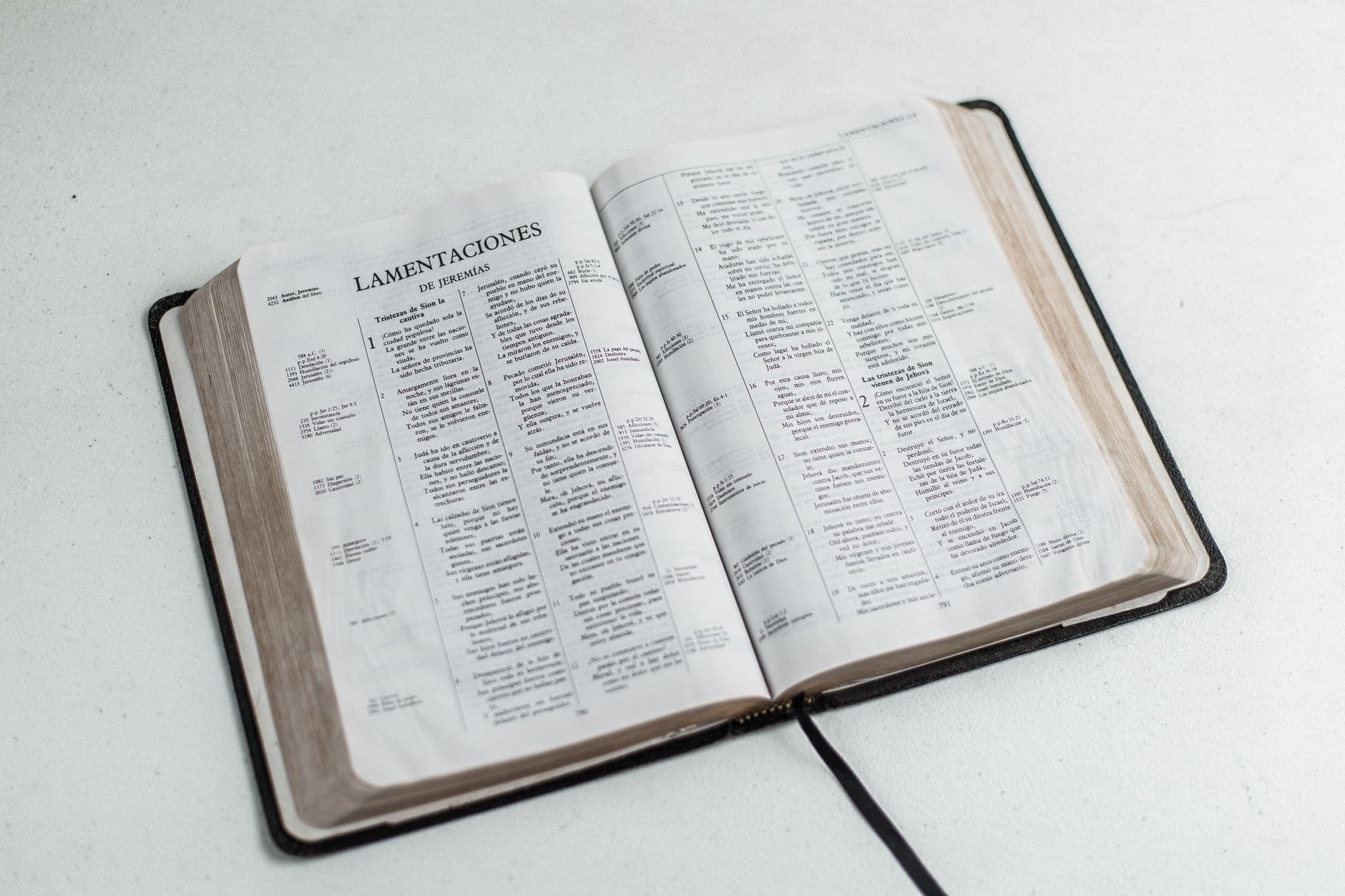
Pick up almost any study Bible and you will find a column of tiny letters and numbers running down the center or margin of the page. That strip of notation is a cross references in the bible chart — a compact, visual system linking one verse to dozens of others across the Old and New Testaments. Most readers glance at it once, feel intimidated, and never touch it again. That is a costly mistake. Those small references are the fastest route to understanding why a verse says what it says, and what the original audience would have heard in it.
This guide is not a generic overview. It will show you exactly how to decode a cross-reference chart, which chart formats work best for different study goals, and the specific mistakes beginners make — so you can skip straight to the insights that take most people years to stumble onto.

How a Cross References in the Bible Chart Is Actually Structured
Cross-reference charts come in several formats, but three are most common in print and digital study tools.
1. The Center-Column Chart
This is the classic format. A narrow column sits between the two text columns on each Bible page. Each reference in that column is keyed to a superscript letter in the verse text. Find the letter a in Romans 3:23, for example, and the center column might list Genesis 6:5, Psalm 14:3, and Romans 5:12 — all verses that echo the same theme of universal human sinfulness. The chain is intentional: the biblical authors and later editors recognized these verbal and thematic echoes and documented them.
2. The Margin or Footnote Chart
Some Bibles, especially the ESV and NASB, push references into the outer margin or a footnote band. The logic is identical to the center column, but the layout gives more room for longer reference lists. The ESV cross-reference system contains roughly 80,000 individual links — a figure that illustrates just how densely the Bible is self-connected.
3. The Digital or Hyperlinked Chart
Apps and web-based tools transform the static chart into a live network. Tap a reference and the linked verse opens instantly. Some platforms overlay the connections as visual arc diagrams — arcs drawn above the text to show which verses link to which. Explore scripture connections on Prism to see how a digital cross-reference system surfaces these links without requiring you to flip pages or decode tiny print.
Understanding which format you are working with changes how you use it. Print center columns reward slow, sequential reading. Digital hyperlinks reward exploratory, question-driven study. Neither is superior — they suit different sessions.
Reading the Chart Step by Step: A Worked Example

Let us walk through a real example so the process becomes concrete rather than abstract.
Starting verse: Isaiah 53:5 — "But he was pierced for our transgressions; he was crushed for our iniquities."
- Locate the superscript letter. In most study Bibles, you will see a small a or b after key words. In Isaiah 53:5, the word "pierced" often carries a reference marker.
- Find the matching entry in the chart column. The chart might list: Zechariah 12:10, John 19:34, Romans 4:25, 1 Peter 2:24. Each of these verses uses the same language or fulfills the same event.
- Read the linked verse in context. Do not just glance at the verse number. Read two verses before and two after. Zechariah 12:10 — "they will look on me, the one they have pierced" — gains enormous weight when you see it predicted centuries before the crucifixion.
- Ask the linking question. Is this a verbal link (same word or phrase), a thematic link (same concept), or a fulfillment link (prophecy and its realization)? Identifying the type of connection tells you what the chart is showing you.
- Trace the chain forward. John 19:34 links back to Zechariah. From John 19 you can follow another reference to Psalm 22:16. Suddenly you are holding a thread that runs from David's psalms through Isaiah through the Gospel of John — a single theological argument woven across roughly 1,000 years of writing.
This five-step loop is the core skill. Once it clicks, the chart stops being intimidating and starts being the most efficient study tool on the page.
Three Types of Cross References — and Why the Difference Matters
Not every link in a cross-reference chart is doing the same work. Treating them all as equivalent is the most common beginner mistake. Here is how to tell them apart:
- Verbal parallels: The same Greek or Hebrew word appears in both verses. These are the most mechanical links and the easiest to spot. They are useful for word studies but do not always imply a theological connection.
- Thematic parallels: Different words, same idea. For instance, the concept of "God as shepherd" runs from Psalm 23 to Ezekiel 34 to John 10. The vocabulary shifts, but the image is continuous.
- Typological or fulfillment links: An Old Testament person, event, or institution foreshadows a New Testament reality. The Passover lamb in Exodus 12 is linked to 1 Corinthians 5:7 ("Christ, our Passover lamb, has been sacrificed"). These links carry the heaviest theological freight.
A well-built cross-reference chart labels or implies these distinctions. If yours does not, you can often infer the type by reading the two verses side by side. When the connection is purely verbal, the link will feel almost mechanical. When it is typological, you will feel a kind of theological vertigo — the sense that the text is pointing beyond itself.
For a deeper look at how many of these connections exist across the whole Bible, the data-driven guide to Bible cross references on this blog breaks down the numbers by book and Testament — it is worth reading before your next study session.
Common Mistakes When Using a Cross Reference Chart
Knowing the pitfalls saves you from spending an hour chasing links that lead nowhere useful.
Mistake 1: Following Every Reference Without a Goal
A single verse in Romans can generate 15 cross-references. Chasing all of them in one sitting produces information overload, not insight. Pick one type of link per session — say, only fulfillment links — and follow only those. Focused chains produce understanding; scattered chains produce exhaustion.
Mistake 2: Ignoring the Original Context
Cross-references can tempt you to lift a verse out of its context and import a meaning it was never meant to carry. Always read the linked verse in its own paragraph. If the surrounding verses contradict the connection you are drawing, the chart is showing you a verbal echo, not a theological claim.
Mistake 3: Trusting One Chart Exclusively
Different Bible editions curate their cross-reference lists differently. The Thompson Chain-Reference Bible organizes links thematically by numbered topics — over 8,000 of them. The Treasury of Scripture Knowledge lists up to 500,000 references, far more than any single-volume Bible. Neither is complete. Using two or three sources catches connections that any single chart misses.
Mistake 4: Skipping the New Testament When Studying the Old
Many readers studying the Old Testament only follow references within the same Testament. But the richest connections often run forward into the New Testament. Isaiah 53 has more New Testament cross-references than almost any other chapter in the Hebrew scriptures. Following those forward links is where the interpretive payoff lives.
How to Use a Digital Cross Reference Chart More Effectively

Digital tools change the mechanics of chart-reading in ways that are worth understanding explicitly. The biggest advantage is speed: a tap replaces a page-flip and a squint at tiny print. But speed can become a liability if it encourages shallow browsing instead of deep reading.
Here is a workflow that gets the best out of digital cross-reference systems:
- Start with a question, not a verse. Ask something specific: "What does the Bible say about forgiveness after repeated sin?" Then open a key verse on that topic and let the cross-reference chain answer your question systematically.
- Use the arc diagram view when available. Visual arc maps show you the density and direction of connections at a glance. A verse with 20 outbound arcs is a theological hub worth spending time on.
- Save your chains. Most good apps let you bookmark or highlight a sequence of linked verses. Build a "chain file" for recurring study themes — it becomes a personal topical index over time.
- Cross-check with a second translation. When a cross-reference link feels weak, switch to a more literal translation. Sometimes the connection is clearer in the ESV or NASB than in a dynamic-equivalence version like the NLT.
If you are building out a full digital study toolkit, the guide to building a digital study desk covers how cross-reference tools fit alongside commentaries, lexicons, and reading plans.
Cross Reference Charts and Biblical Context: The Bigger Picture
A cross-reference chart is not a shortcut to meaning — it is a map of the Bible's internal conversation. Every link in the chart represents a moment where one biblical author echoed, expanded, corrected, or fulfilled something another author wrote. Reading those links is reading the Bible the way its own writers read it.
The New Testament authors were masters of this. Paul quotes or alludes to the Old Testament over 300 times in his letters. The book of Revelation contains more than 400 allusions to the Hebrew scriptures without ever formally quoting them. A cross-reference chart makes those allusions visible to readers who do not have the whole Bible memorized.
Understanding why a link exists — its historical, cultural, and literary context — is the next level of study beyond simply following the chain. For a practical framework on reading scripture in context, the guide on what biblical context means for everyday readers is a natural companion to this article.
Building a Personal Cross Reference Study Habit
The readers who get the most from cross-reference charts are not the ones with the most theological training. They are the ones who study consistently and with a specific method. Here is a simple weekly rhythm that works:
- Monday: Read the passage for the week without following any references. Get the plain meaning first.
- Wednesday: Follow two or three cross-references per key verse. Focus on fulfillment links if you are in the New Testament, or forward links if you are in the Old.
- Friday: Read one of the linked passages in full — not just the verse, but the whole chapter. Let the chart lead you to a second text and let that text speak for itself.
- Weekend: Reflect on what changed in your understanding of the original passage. Write one sentence summarizing the connection. This forces clarity and cements retention.
Consistency over three months with this rhythm will transform how you read scripture. The chart stops being a feature you occasionally use and becomes the spine of your study practice.
Ready to put this into practice? Get started with Prism's cross-reference tools at prismbible.app/auth/signup and begin tracing connections across the whole Bible today. Or discover how structured reading plans can anchor your cross-reference study by exploring Prism's reading plans — each one is built to surface the biblical connections that matter most for the passages you are studying.
The Payoff: What Changes When You Actually Use the Chart
Readers who work through cross-reference chains consistently report the same shift: the Bible stops feeling like a collection of separate books and starts feeling like a single, sustained argument. That is not a metaphor — it is the experience of seeing the internal structure of the text for the first time.
A verse that seemed straightforward reveals layers. A passage that seemed harsh softens when you see its Old Testament background. A promise that seemed abstract becomes concrete when you trace its fulfillment three books later. None of that happens by accident. It happens because someone built a chart, and you decided to use it.
The cross references in the bible chart is not supplementary material. For serious students of scripture, it is the primary tool — the one that turns reading into study.