Best Bible Study Tools for Beginners: A Simple Starter Guide

Starting your Bible study journey can feel overwhelming. So many books, apps, translations, and methods exist that it is hard to know where to begin. Thankfully, the right bible study tools for beginners can make the process clear, enjoyable, and deeply rewarding. This guide breaks down the most essential tools, explains what each one does, and shows you exactly how to get started — no seminary degree required.

Why Bible Study Tools for Beginners Matter
Many new Bible readers open to Genesis, read a few chapters, and quickly feel lost. However, with the right tools, that confusion turns into clarity. Bible study tools give you context, structure, and support so that every passage you read makes sense.
Furthermore, research from the Barna Group shows that people who engage with the Bible using guided resources are far more likely to maintain a consistent reading habit. Additionally, beginners who use structured tools report higher confidence and deeper understanding of scripture. Ultimately, the right tools transform Bible reading from a chore into a life-giving practice.
The 7 Best Bible Study Tools for Beginners
Below is a carefully chosen list of tools every beginner should know. Moreover, each entry explains what the tool is, why it matters, and how to use it right away. Start with one or two, then build from there as your confidence grows.
1. A Beginner-Friendly Bible Translation
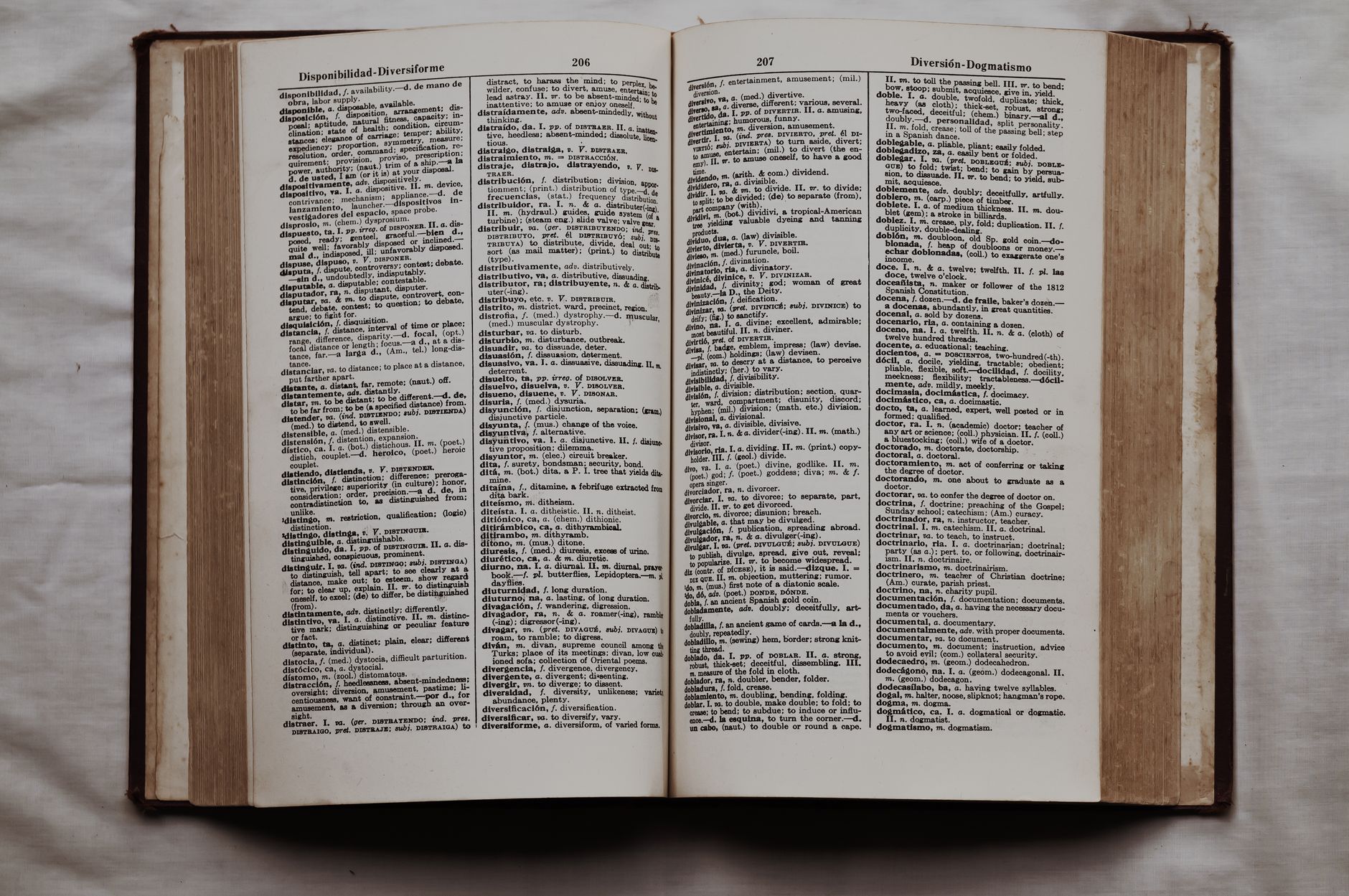
The very first tool every beginner needs is a translation they can actually read. Not all Bible translations are equal in difficulty. Some, like the King James Version (KJV), use old English that can confuse new readers. Others, like the New Living Translation (NLT) or the English Standard Version (ESV), use modern, clear language.
Specifically, the NLT is widely recommended for beginners because it prioritizes readability without losing accuracy. Additionally, reading a translation that feels natural keeps you engaged and helps you absorb the meaning more easily. For a deeper look at which translation fits your reading level, check out this helpful guide on Bible translations by reading level.
- NLT — Best for brand-new readers; very easy to understand
- NIV — Balances readability and accuracy; great for teens and adults
- ESV — Slightly more formal; good for those who want precision
- MSG (The Message) — A paraphrase; helpful for fresh perspective
2. A Bible App with Multiple Translations

A quality Bible app is one of the most powerful bible study tools for beginners available today. Moreover, apps let you carry your entire study library in your pocket. Consequently, you can study anywhere — on the bus, during lunch, or before bed.
Prism Bible App, for instance, offers multiple translations side by side so you can compare how different versions render the same verse. Furthermore, it provides in-depth analysis, cross-references, and historical context all in one place. Get started with Prism for free and explore scripture in a whole new way. Notably, having multiple translations at your fingertips helps you catch nuances you would miss with just one version.
3. Cross-References
Cross-references are links between Bible passages that share a theme, event, or idea. For instance, a verse in the New Testament might reference a prophecy from the Old Testament. Understanding these connections gives you a much richer view of scripture.
Additionally, cross-references show that the Bible is one unified story rather than a collection of unrelated books. Specifically, tools like Prism make it easy to tap on a verse and instantly see related passages. Learn more about how cross-references work and why they matter for your study. As a result, beginners quickly see the big picture of the Bible's message.
- Find a verse you are studying.
- Look for the cross-reference list in your app or study Bible.
- Read each linked passage in context.
- Note the common theme or idea connecting them.
4. A Bible Reading Plan
One of the biggest challenges for beginners is consistency. However, a structured reading plan solves this problem by telling you exactly what to read each day. Reading plans remove the guesswork and keep you moving forward.
Furthermore, plans can be tailored to your goals. Some plans take you through the whole Bible in a year. Others focus on a single book, theme, or character. Specifically, Prism's personalized reading plans let you choose a plan that fits your schedule and interests. Consequently, you build a daily habit without feeling overwhelmed.
- Chronological plans — Read the Bible in the order events happened
- Book-by-book plans — Focus on one book at a time for deep study
- Thematic plans — Explore topics like faith, prayer, or wisdom
- Short daily plans — Perfect for busy beginners; just 5-10 minutes a day
5. A Study Bible or Annotated Bible
A study Bible is a regular Bible with added notes, maps, and explanations printed right on the page. Therefore, you do not need a separate reference book to understand what you are reading. The notes explain historical background, word meanings, and cultural context.
Moreover, study Bibles are ideal for beginners who want depth without doing hours of extra research. For instance, the NIV Study Bible and the ESV Study Bible are two of the most respected options available. According to GotQuestions.org, a good study Bible can dramatically shorten the learning curve for new readers. Additionally, many of these features are now available inside Bible apps, making them even more accessible.
6. Biblical Maps and Historical Context Tools
The Bible takes place in real locations across the ancient Near East. However, most modern readers have no mental picture of where these places are or how they relate to each other. Consequently, biblical maps are an underrated but powerful study tool.
For instance, seeing where Jesus traveled during his ministry or where Paul planted churches brings the text to life. Furthermore, understanding the geography helps you grasp why certain journeys were dangerous or why certain cities were important. Notably, Prism's interactive map feature lets you explore biblical journeys visually, making history feel real and immediate. As a result, passages that once seemed abstract become vivid and memorable.
7. A Bible Quiz or Self-Assessment Tool
Testing your knowledge is one of the best ways to reinforce what you have learned. Specifically, Bible quizzes help you identify gaps in your understanding and celebrate what you already know. Moreover, they make learning interactive and fun rather than passive.
Additionally, quizzes build confidence over time. As a result, beginners who regularly test themselves tend to retain information much longer than those who only read. For instance, you can try a Bible quiz on Prism to see how much you already know and discover areas to explore further. Ultimately, self-assessment turns Bible study from a one-way experience into an active conversation with the text.
How to Build Your Beginner Bible Study Routine
Now that you know the tools, the next step is putting them together into a simple daily routine. However, do not try to use every tool at once. Start small and add more as you grow comfortable.
Here is a simple beginner routine you can follow:
- Choose your translation — Pick one that feels natural to read.
- Select a reading plan — Start with a short, focused plan.
- Read your daily passage — Take your time; do not rush.
- Check cross-references — Look at one or two related verses.
- Review study notes or context — Use your app or study Bible for background.
- Take a short quiz — Test yourself on what you just read.
Furthermore, consistency matters more than length. Even ten focused minutes a day will produce remarkable growth over weeks and months. Additionally, journaling what you learn can deepen your understanding and help you track your progress. Consequently, many beginners find that a short, structured routine quickly becomes the highlight of their day.
Tips for Getting the Most Out of Bible Study Tools for Beginners
Simply having the right tools is not enough. Moreover, how you use them makes all the difference. Here are a few practical tips to maximize your study sessions:
- Focus on one passage at a time — Depth beats breadth for beginners.
- Ask questions as you read — Who is speaking? To whom? Why? When?
- Write down what stands out — Even one sentence of notes helps you remember.
- Compare at least two translations — This reveals shades of meaning quickly.
- Be patient with yourself — Understanding the Bible is a lifelong journey.
- Join a study group — Learning with others accelerates growth significantly.
Additionally, according to Pew Research Center, adults who study scripture in community settings report higher levels of spiritual growth and engagement. Therefore, combining personal tools with group discussion is a powerful strategy. Ultimately, the goal is not to become an expert overnight but to build a lasting, meaningful connection with the text.
Start Your Bible Study Journey Today
Every expert Bible student was once a complete beginner. Furthermore, the tools available today make getting started easier than ever before. Specifically, apps like Prism put translations, cross-references, reading plans, maps, and quizzes all in one place — perfectly designed for the modern learner.
Discover how Prism can transform your Bible study experience. Sign up for free today and take your first step toward deeper, richer scripture study. Additionally, you can explore more study guides and tips on the Prism blog to keep growing at your own pace. The journey of a thousand miles begins with a single step — and the right tools make every step count.